ukjodoribunka-no-hi
Ichi-go Ichi-e: UKJ ITB
A look back at four years of memories, gratitude, and regret in UKJ ITB.
Ahmad Naufal Ramadan/Jul 21, 2026/10 min read
A look back at four years of memories, gratitude, and regret in UKJ ITB.
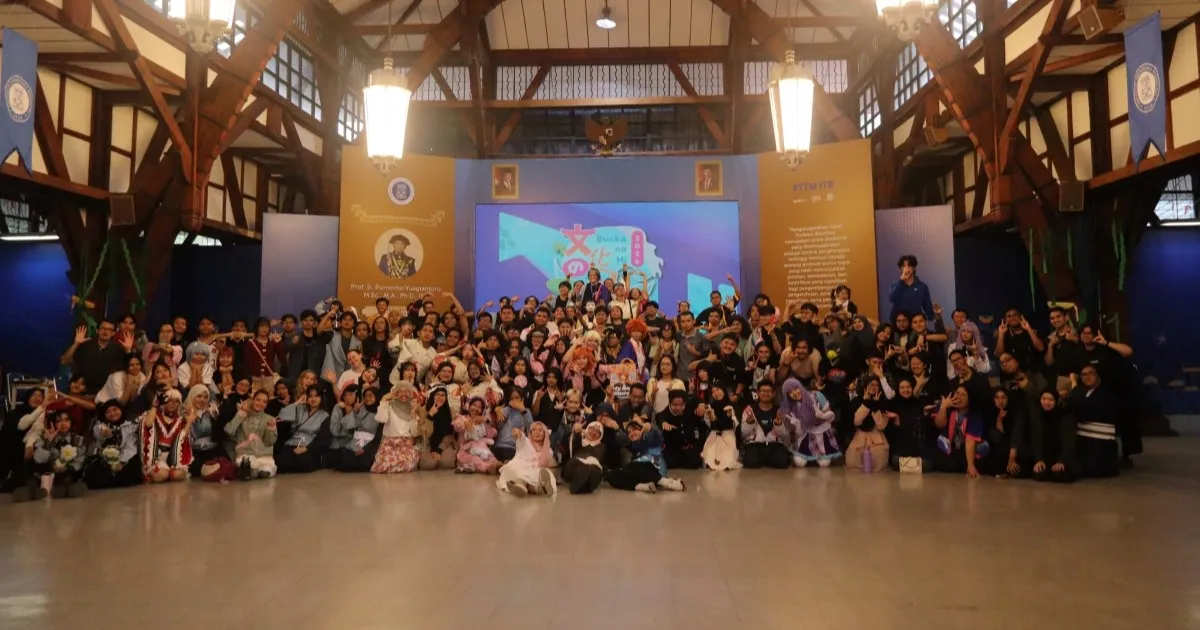
During OHU ITB 2022, I watched UKJ perform from somewhere in the audience. At the time, I knew almost nothing about the organization. Then, Odori appeared and performed a cover of Haikara by Tokyo Hanabi.
I was amazed.
That one performance was enough to make me join UKJ and choose Odori as my division. I did not have a complicated reason or a carefully planned goal. I simply saw something that looked fun and thought, I want to do that too.
My first memories of UKJ came from Youkoso, its new-member intake. Before we were officially accepted as members, we were called Cakwe, short for Calon Kouhai.
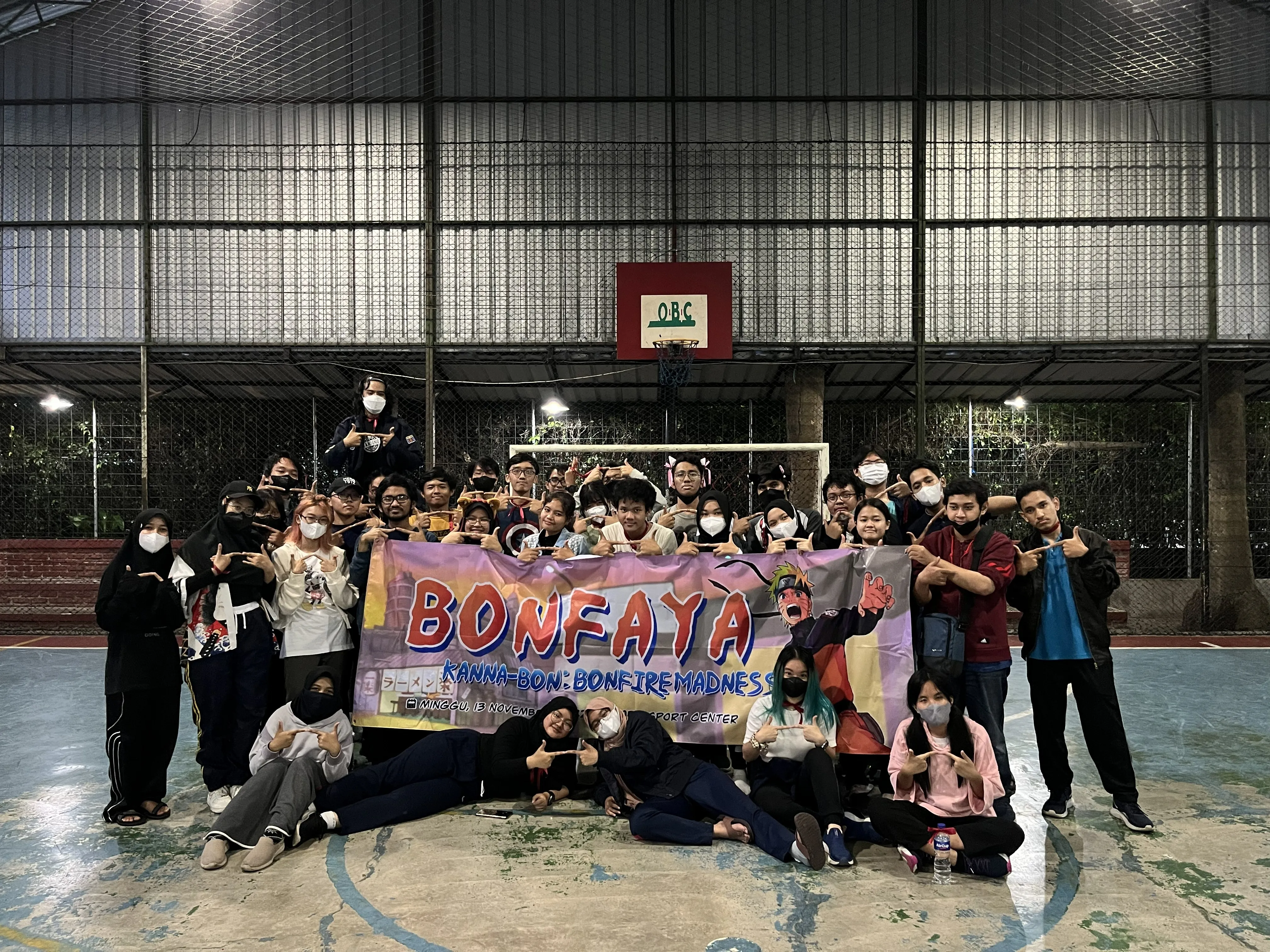
One of the first Youkoso events was Bonfaya, where I began spending time with the other members of UKJ’22.
There was also Takeshi, where I came dressed in a yukata with cat-like accessories.
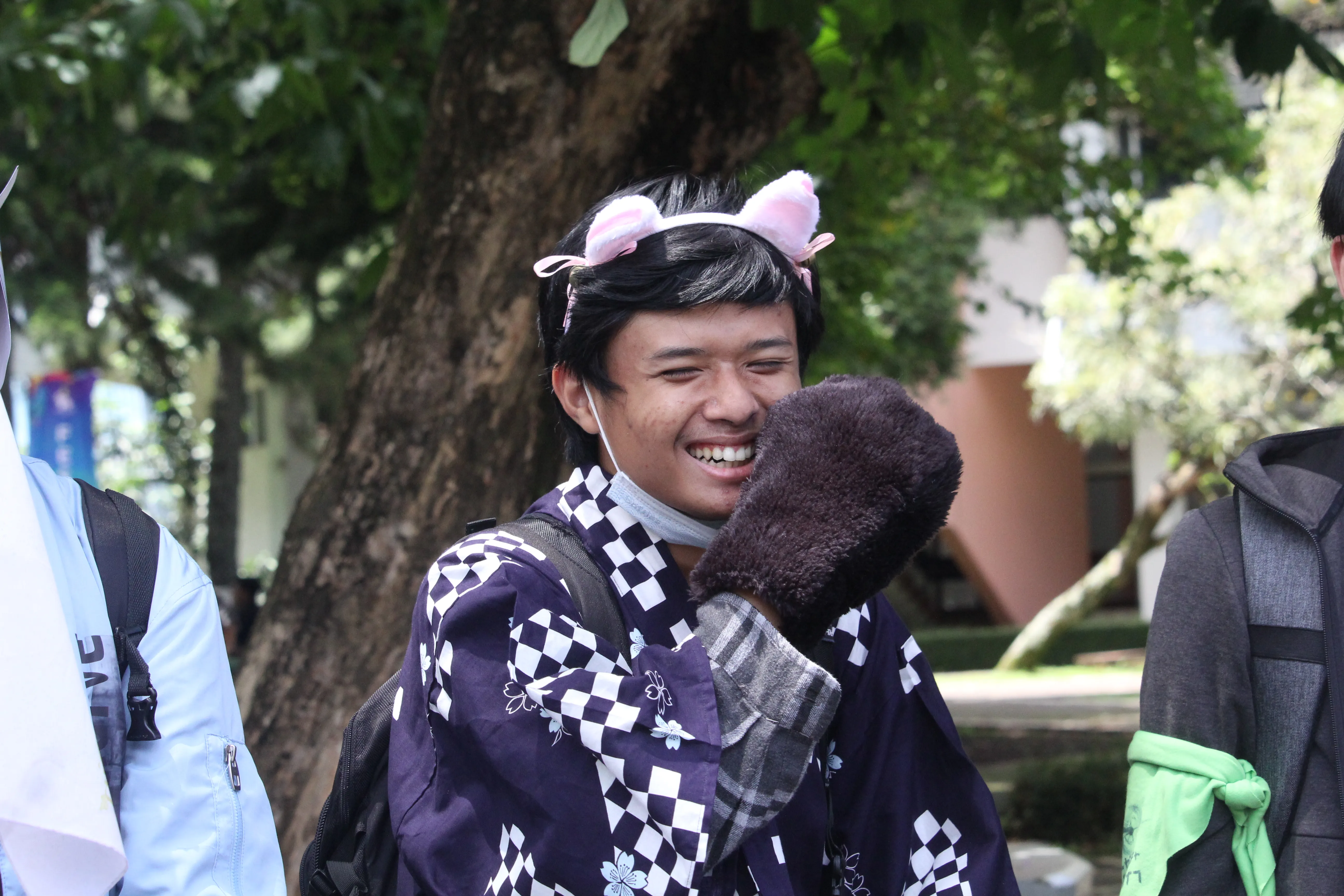
It looked ridiculous, but that was part of the fun. Those early activities were full of moments where everyone could stop taking themselves too seriously and simply enjoy being together.
Through Youkoso, I became close to my team, Dji Sam Soe Din. After going through the process together, we eventually reached Gadang, or Gathering Angkatan, where we were officially accepted as members of UKJ.
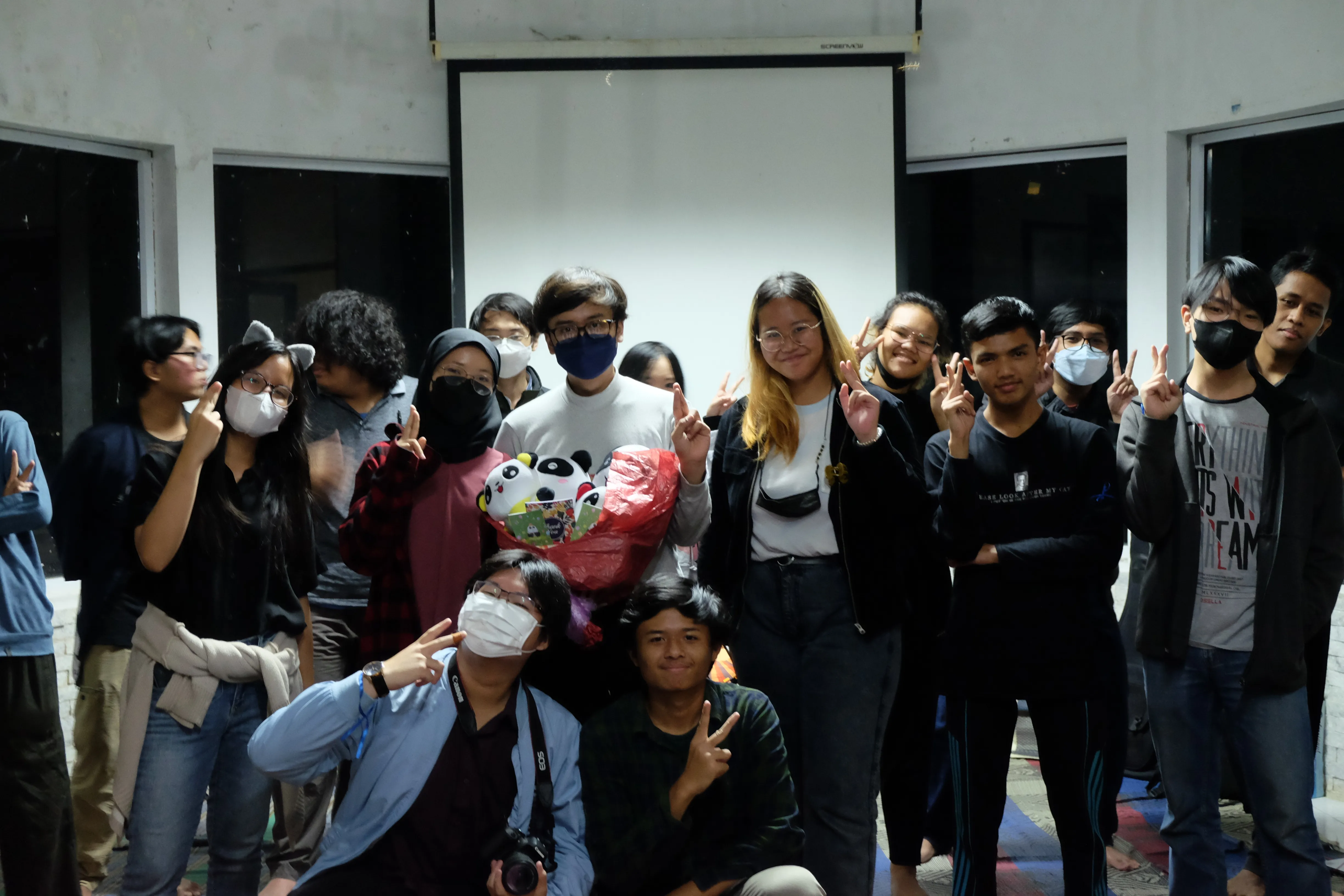
I also officially became part of Odori, the division whose performance had first brought me to UKJ.
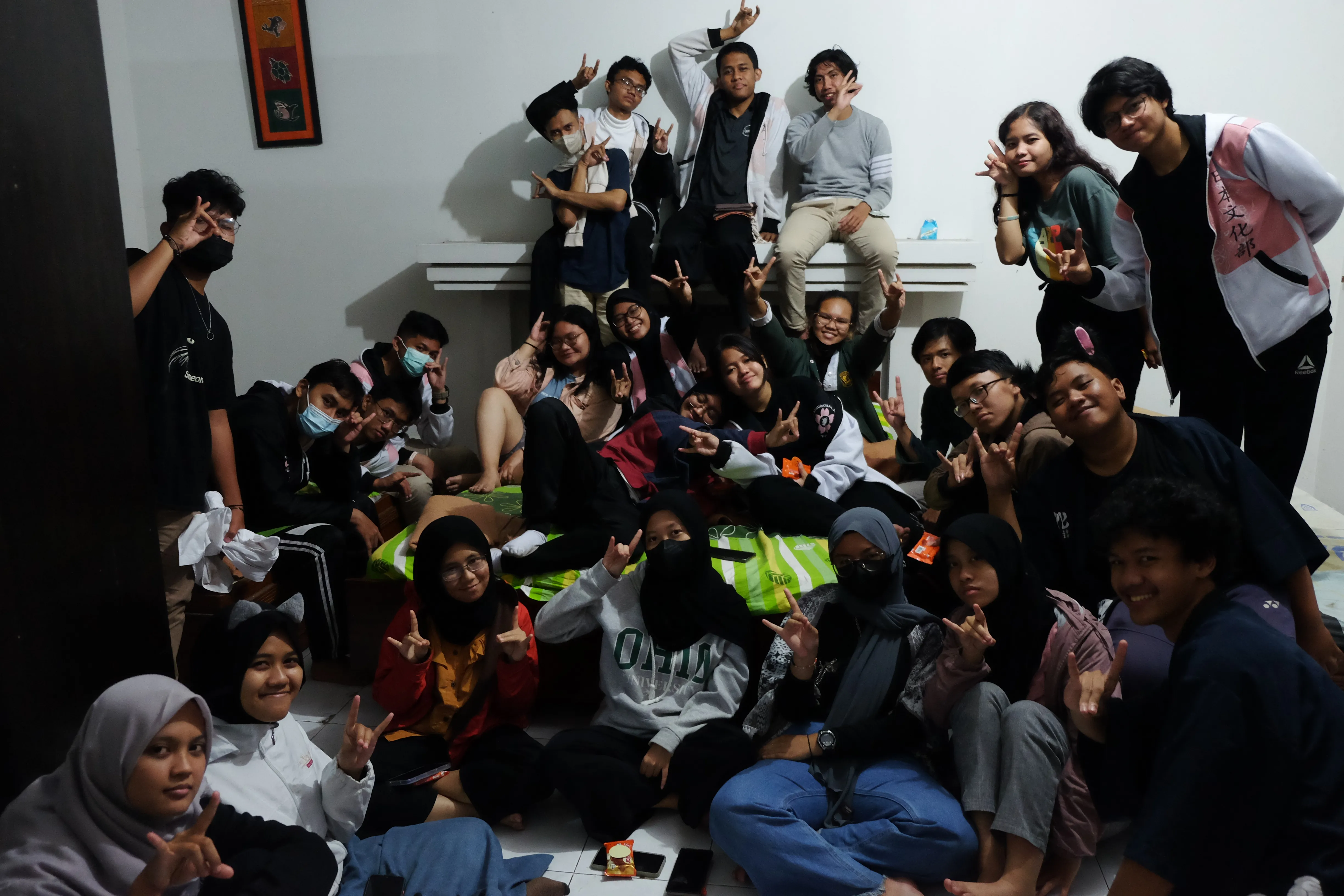
At OHU, I had only watched Odori from the audience. Now, I was one of its members.
My first year was filled with activities, practices, and time spent with Odori. One of my favorite memories outside performing was our bonding trip to Orchid Forest Cikole.
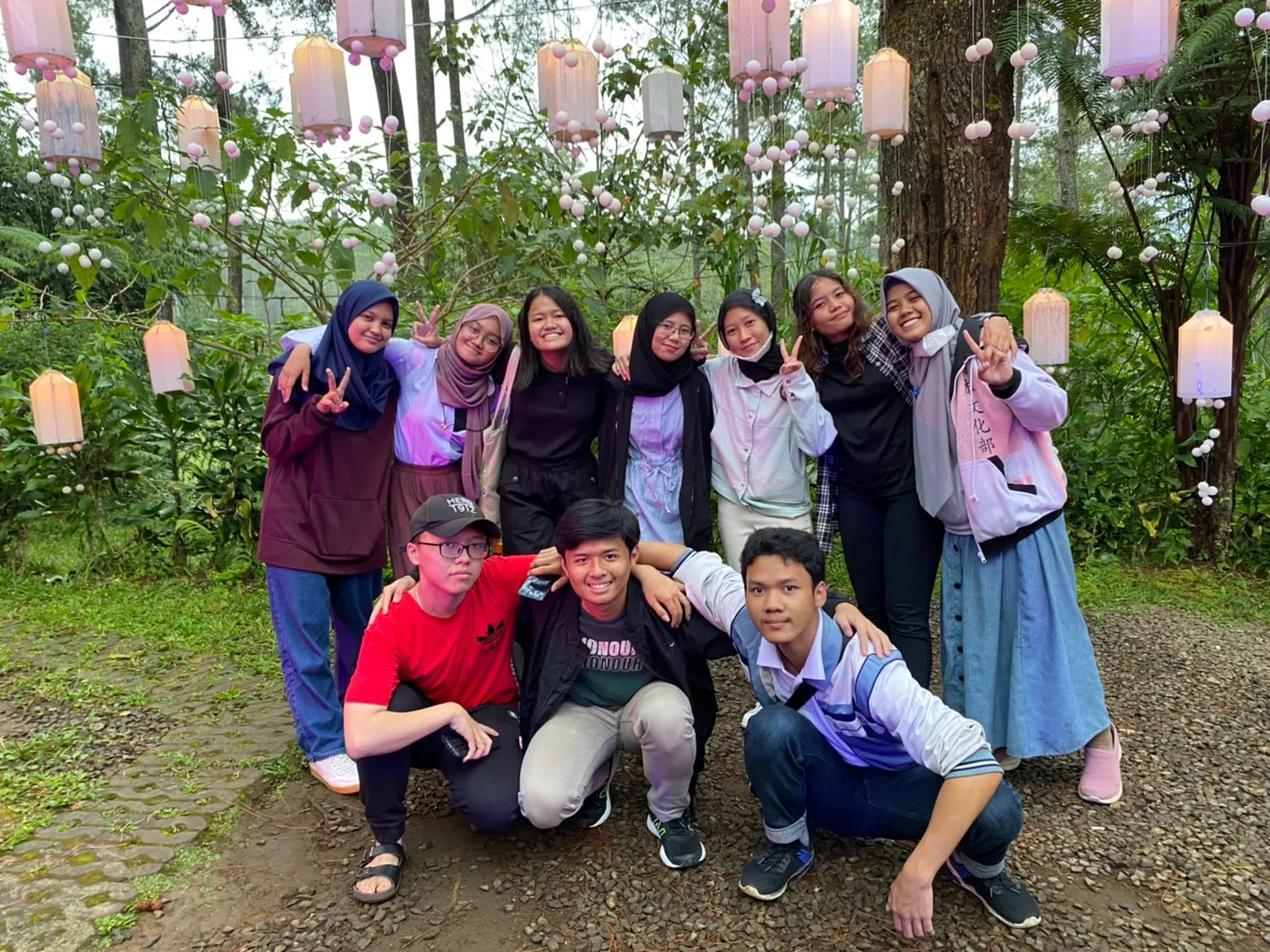
The trip itself was fun, but what stayed with me was the feeling of being surrounded by people I was slowly becoming comfortable with. Odori was no longer only the group I had admired at OHU. It was becoming my own circle of friends.
The biggest memory from that year was Bunka no Hi 2023. I participated in three different performances and roles, each of which gave me a different experience.
First, I performed Natsu Matsuri with Odori.
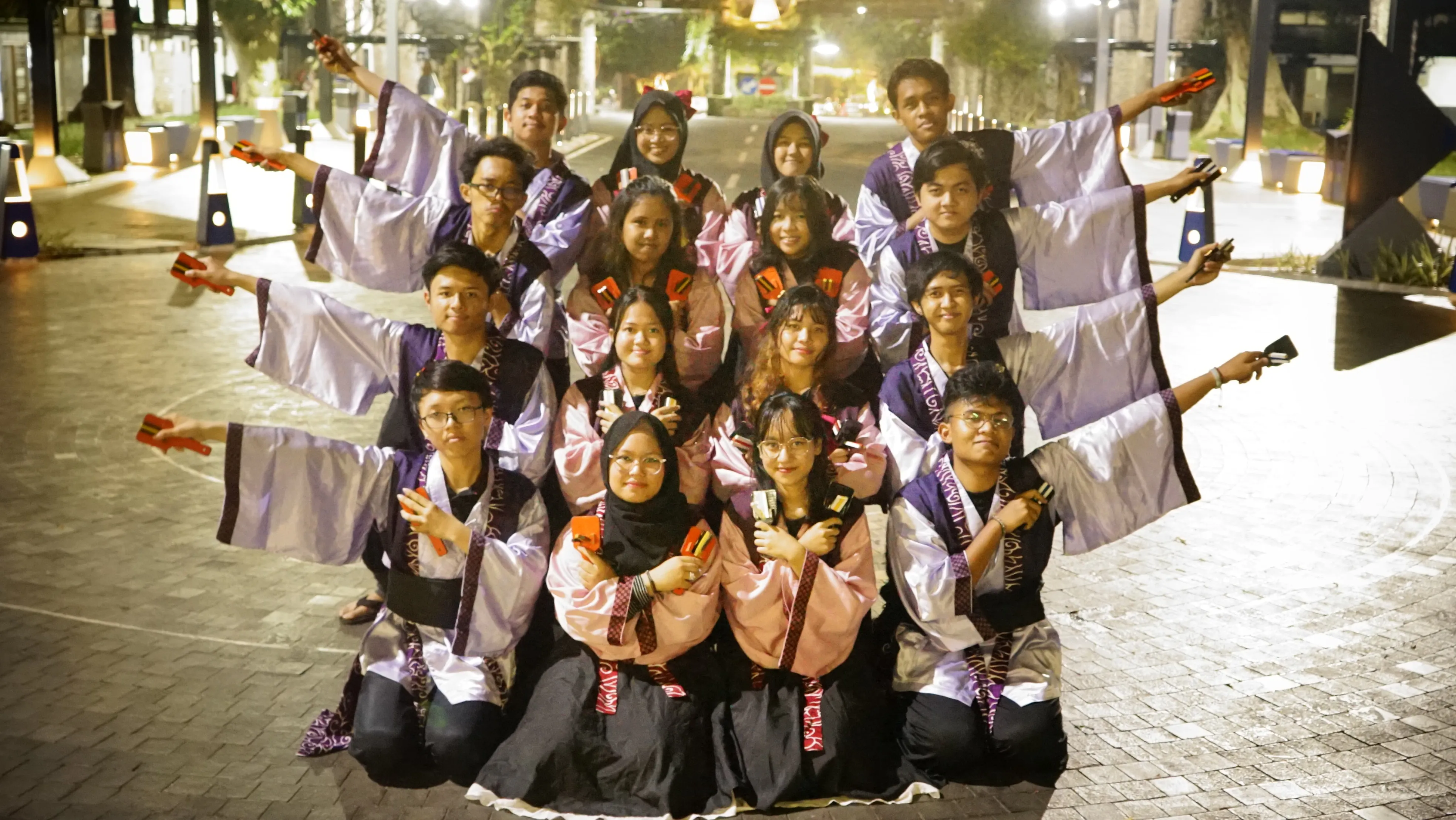
It was my first time performing at Bunka no Hi with the division I had joined because of a performance. I had gone from watching Odori at OHU to standing on the stage myself.
I also joined a dance performance called Hotshot.
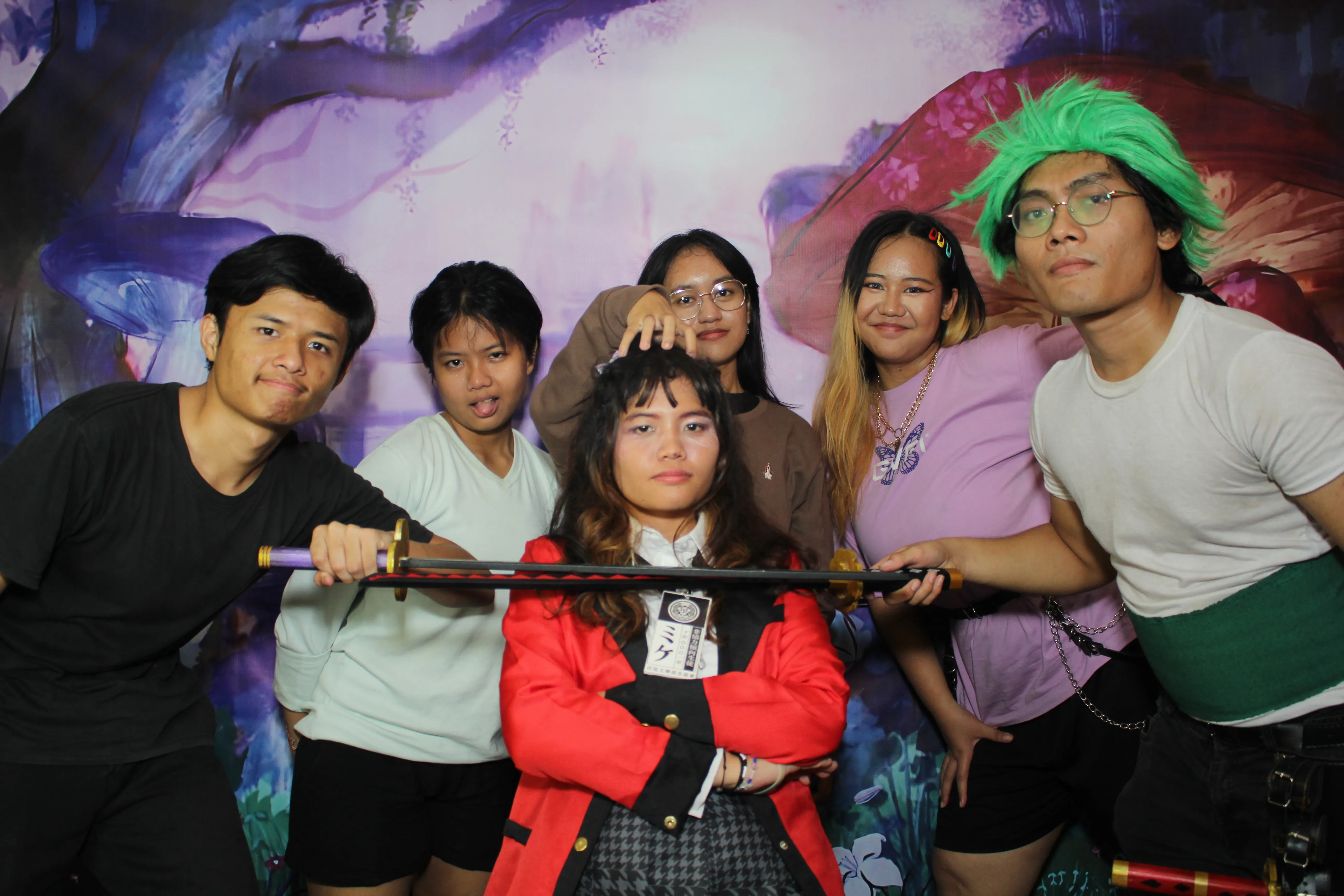
Besides dancing, I became one of the main characters in the Bunka no Hi storyline, Sora. The story followed Sora, a cheerful and determined villager searching for his missing friend, Kyo, after an eruption around Mount Fuji. Guided by the sound of Bon Odori, Sora entered a mysterious world called the Abyss with Akira, a ronin who had lost his memories. They travelled through its seasonal layers with the help of several guardians named Inari, while searching for Kyo and uncovering the truth behind the Abyss.
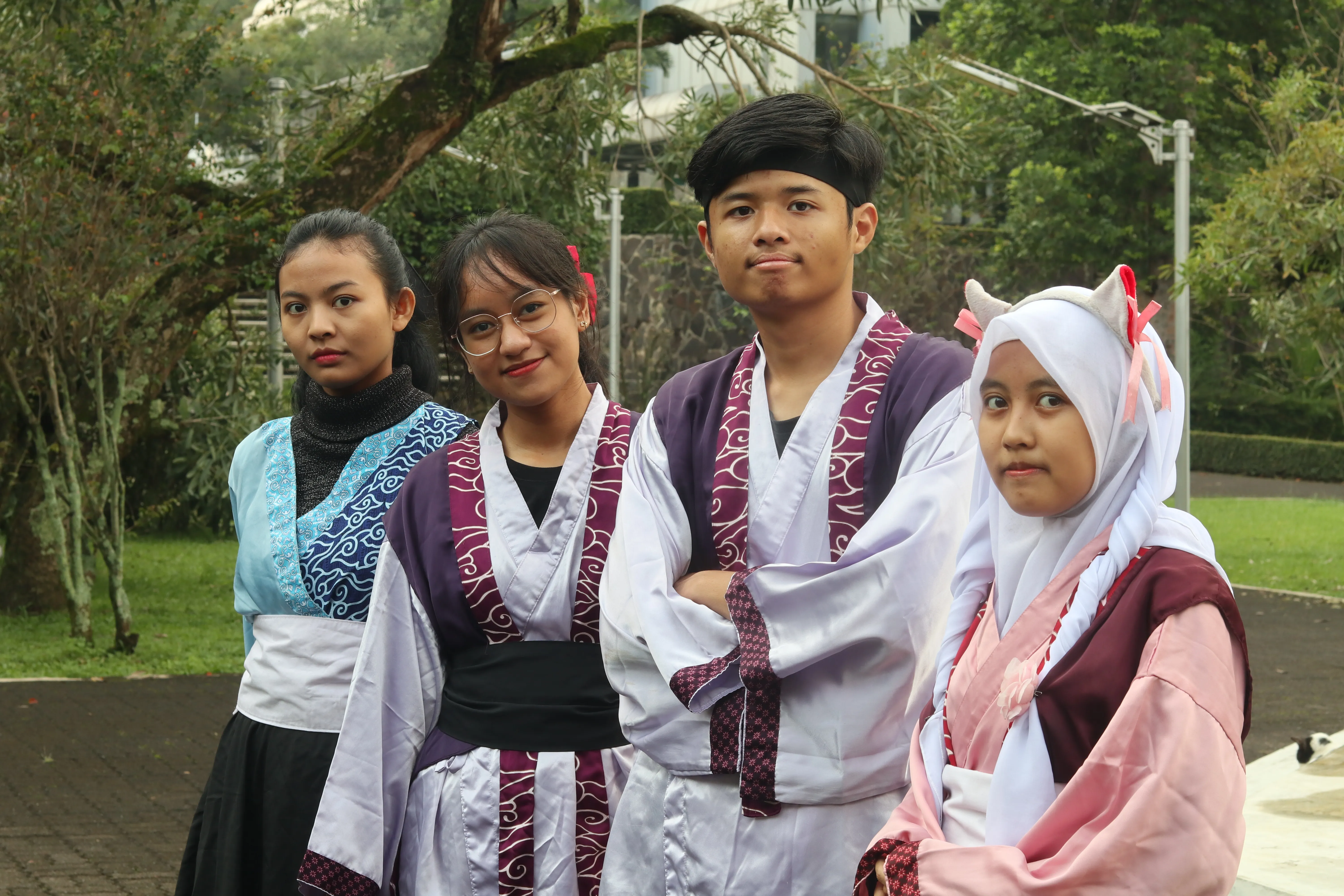
When I look back at that year, I am still surprised by how much I did. I joined practices, performed with two groups, acted in the storyline, and spent much of the event surrounded by other UKJ members.
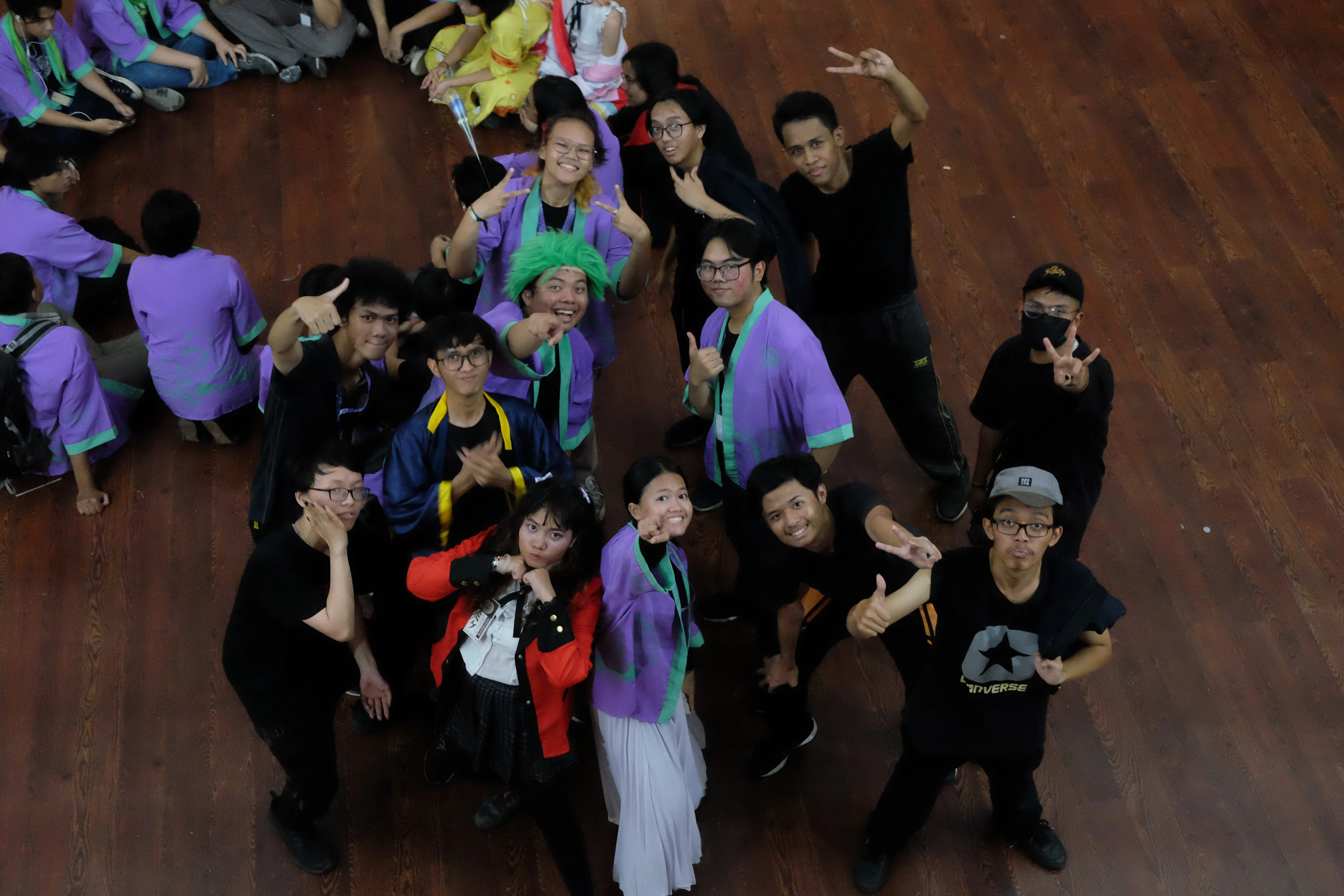
At the time, I did not think much about how active I was. I was simply enjoying everything as it happened. Only now do I realize that this was the year when I experienced UKJ most completely.
Before my second year, I injured my knee while training for another performance.
Even after it improved, the fear remained. Every time I thought about dancing again, I worried that I might hurt it once more. I still wanted to be involved in Odori, but I was no longer as confident as before.
For Bunka no Hi 2024, I was selected as a trainer for Natsu Matsuri. At first, I expected to help others prepare without performing myself. However, one of the trainees stepped down long before the event, and I was asked to become the substitute.
I was also selected for Bon Odori several months before Bunka no Hi. It consisted of nine dances performed consecutively for more than 30 minutes.
Returning for one performance was already intimidating. Preparing for nine dances in a row felt like an even larger test.
Still, I continued training.
At Bunka no Hi, I performed Natsu Matsuri again.
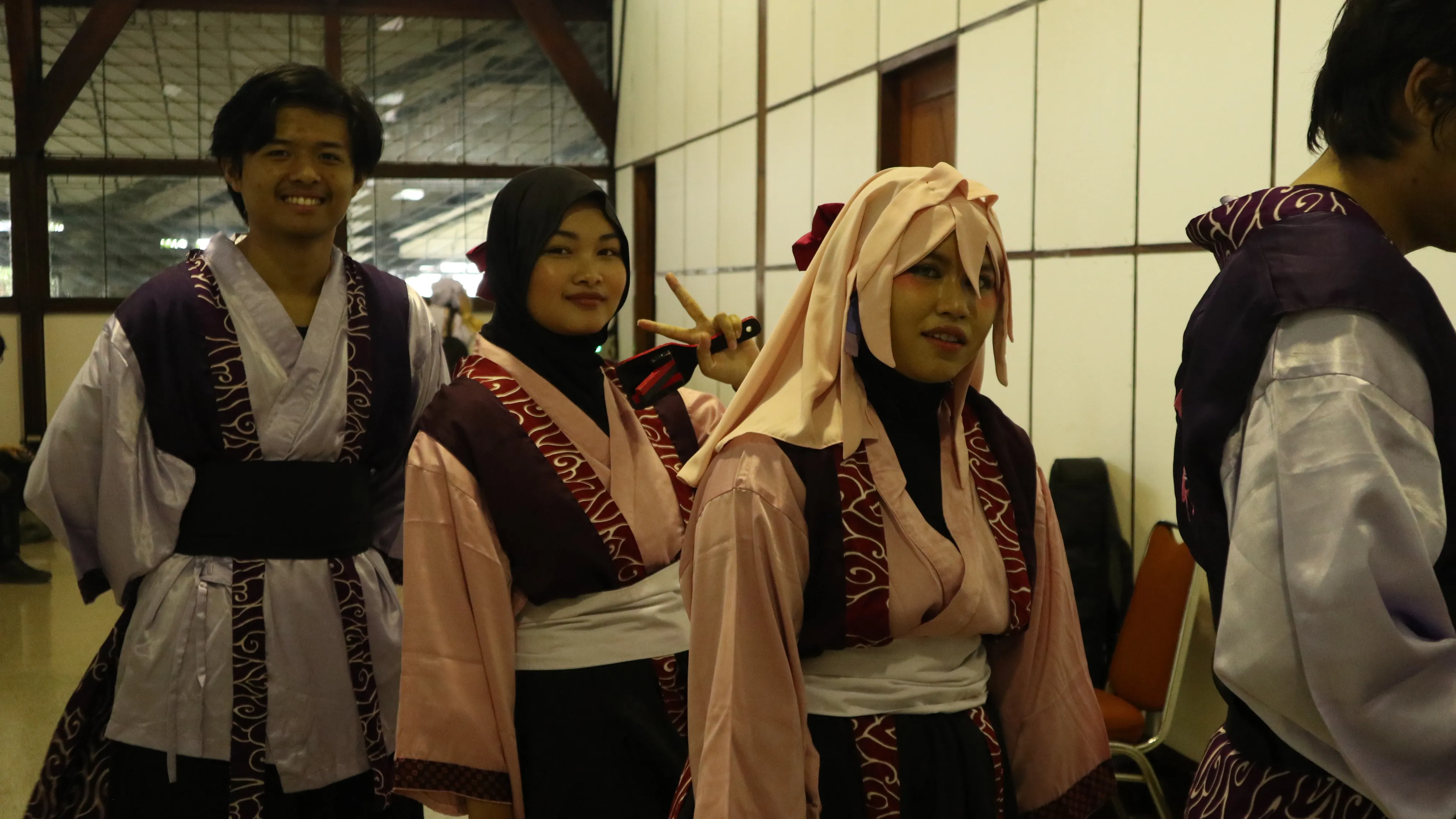
I also performed Bon Odori, moving in a circle while other people followed us through all nine songs.
And I completed both performances.
It might not sound extraordinary to anyone else, but it meant a lot to me. For months, I had been afraid that my knee would prevent me from performing again. Finishing more than 30 minutes of Bon Odori showed me that I could still do it.
I could dance again. I could perform again. I did not have to keep being afraid.
That Bunka no Hi gave me back a confidence I thought I had lost.
By my third year, I participated in fewer UKJ activities. Outside Bunka no Hi, I only helped the Head of Odori with the new-member intake a little.
Even so, Bunka no Hi 2025 became my favorite Bunka no Hi of the four.
The event was held at Cihampelas Walk. Because it took place in a public mall, anyone passing by could see the performances. The audience was not limited to UKJ members, our friends, or people who were already interested in Japanese culture.
There were strangers watching us—people who had only happened to be at the mall that day.
I performed Bon Odori again. As we moved in a circle, more people began joining us.
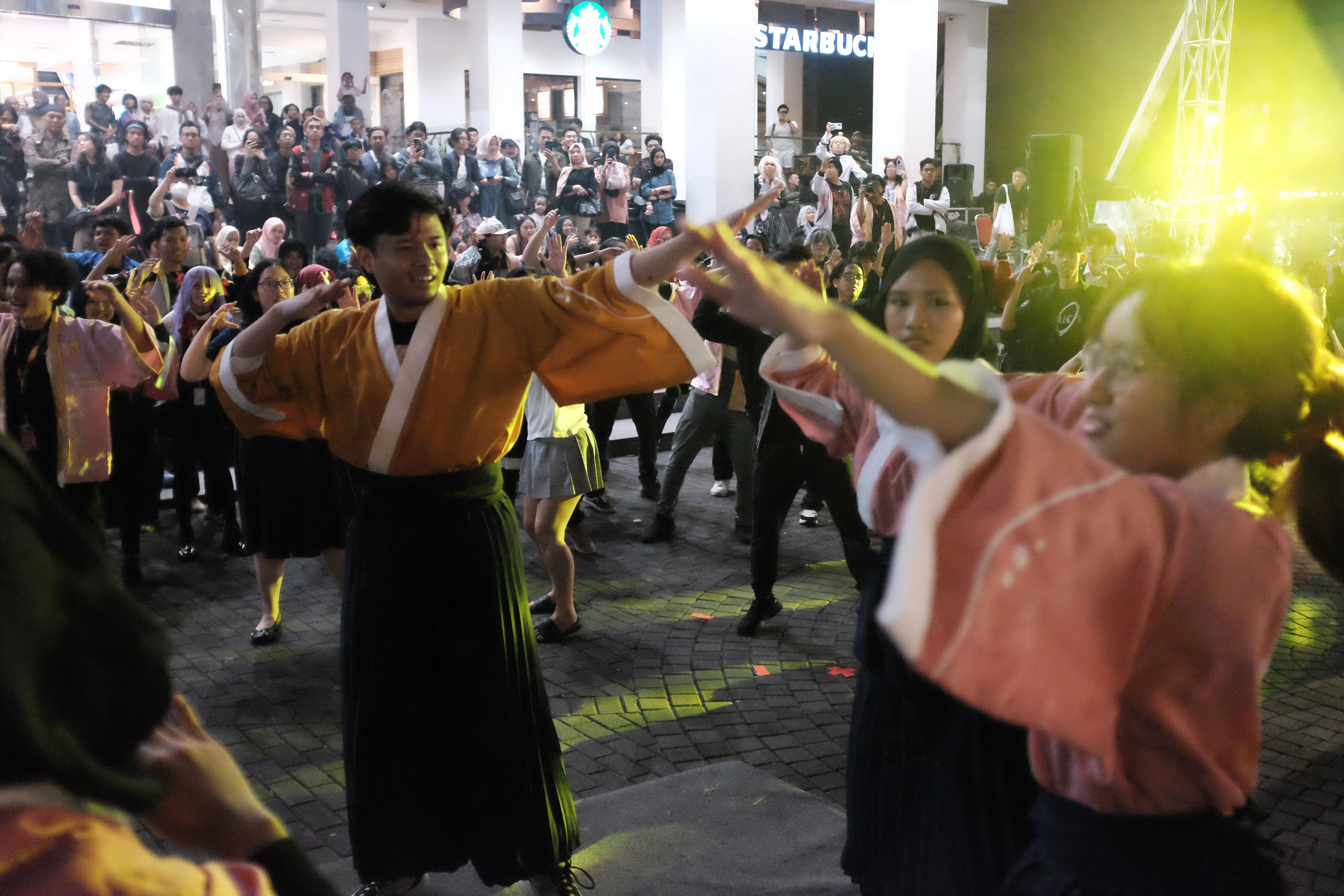
I loved seeing the circle grow.
Some people stopped only to watch. Others decided to follow our movements and dance with us. For a brief moment, people who did not know UKJ, Odori, or even one another became part of the same performance.
Being watched by strangers did not make me feel embarrassed. It made me more excited. I could feel how much I had changed from the person who had once been afraid of performing again.
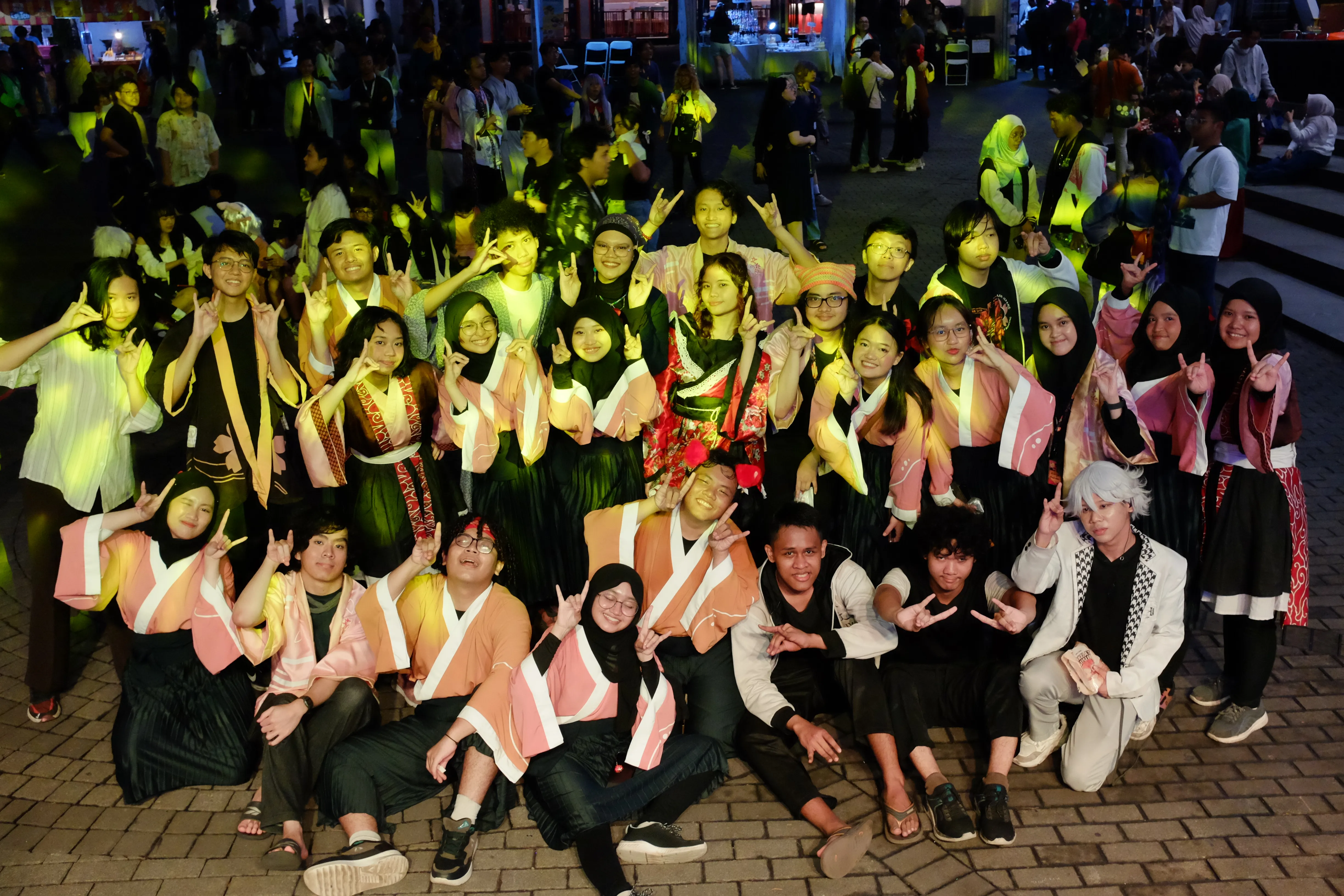
I did not participate much in UKJ that year, but that Bon Odori remains one of my happiest memories. It was loud, public, crowded, and full of people who simply decided to join the fun.
In my fourth year, I decided to perform at Bunka no Hi one last time.
I joined Kono Chi e, a collaboration between UKJ ITB, Japan for Polban, and Hana-B Yosakoi.
Knowing that it would probably be my last planned Odori performance as an ITB student made every practice feel different. I had first discovered Odori by watching from the audience. Four years later, I was standing among the performers for the final time.
Then, on the day of Bunka no Hi 2026, I was unexpectedly asked to join Bon Odori again.
This time, there were only two dances instead of nine. It was shorter and more spontaneous, but that did not make it less meaningful.
My first Bon Odori had helped me trust myself again after my injury. This final one gave me another chance to enter the circle before my time in UKJ ended.
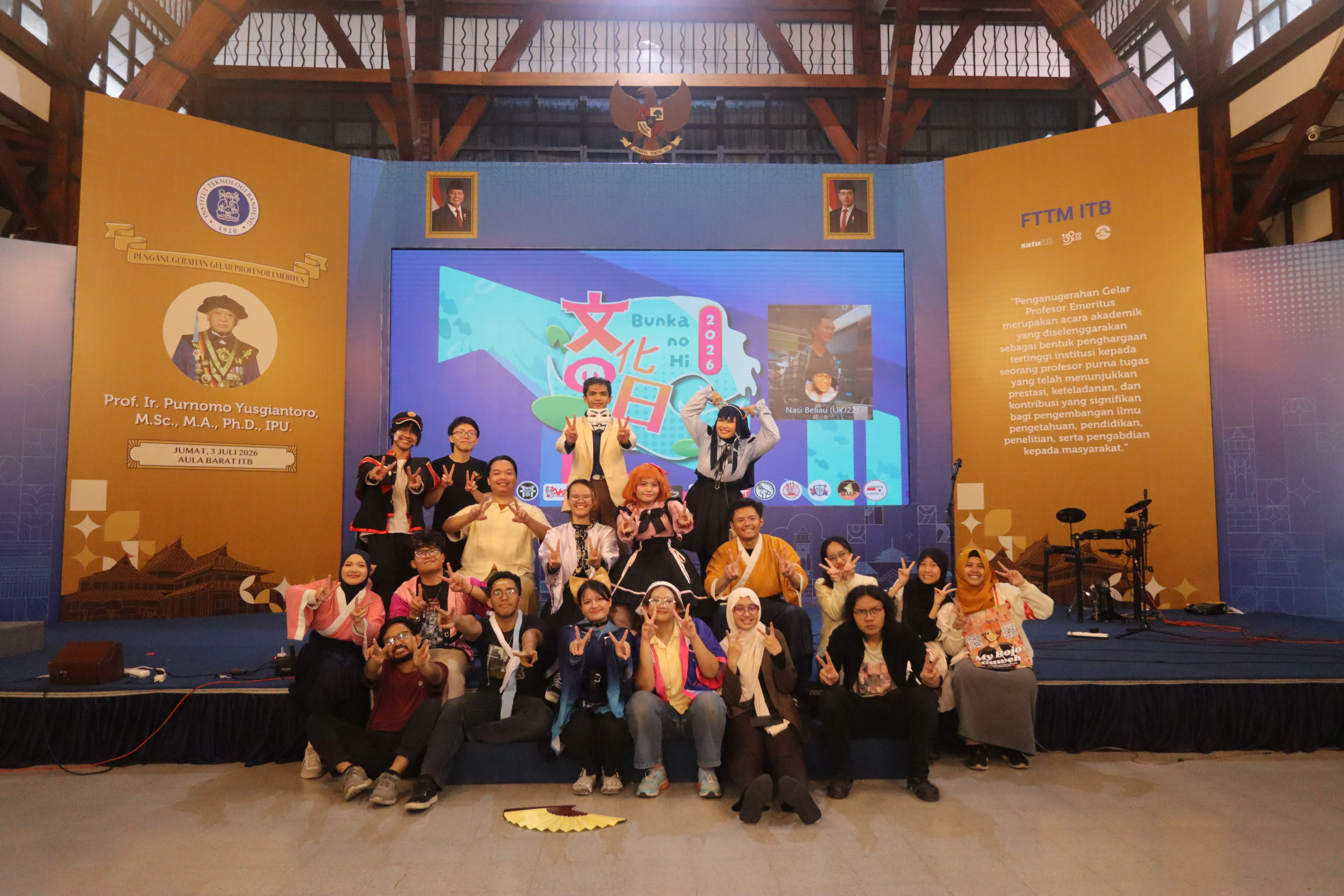
After the event, we took a photo with UKJ’22.
Then, we took another one with Odori.
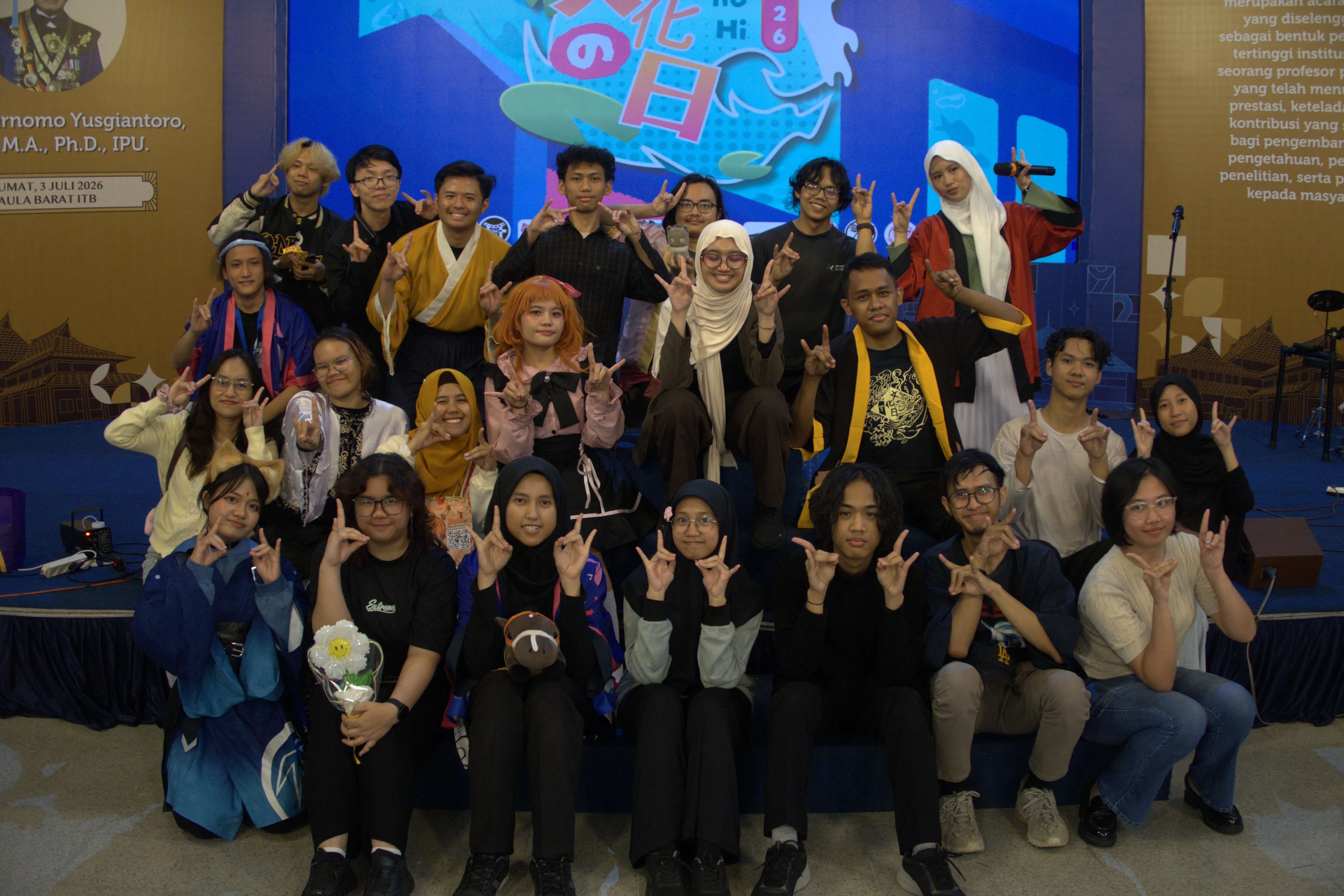
Looking at those photos felt different from looking at our earlier ones. This time, there would be no next Bunka no Hi waiting for me as an ITB student.
The event was over, and so were my four years in UKJ.
As the excitement of the final event faded, I began thinking not only about the memories I had made, but also about the parts of UKJ I had missed.
UKJ offered many experiences that I never tried. I never became part of the Badan Pengurus or joined the Youkoso and Bunka no Hi committees. I rarely participated outside Odori, and I did not become close to many members from other divisions or batches.
My injury held me back for some time, but it was not the only reason. Even after I regained my confidence, I often chose to prioritize other things. Those choices made sense to me then, but I still wonder what other memories I could have made if I had given UKJ more of my time.
I am sorry that I was not present more often and did not contribute as much as I could have.
Still, I do not want that regret to erase the memories I was fortunate enough to make. Through Odori, something that once amazed me from the audience became something I could experience for myself. I found friends, regained my confidence, and learned to enjoy performing in front of others.
Thank you to everyone in UKJ, especially UKJ’22 and the members of Odori. Thank you to Team Dji Sam Soe Din, everyone who went through Youkoso with me, the people who practiced and performed beside me, and those who worked behind the scenes to make every event possible.
I cannot return to OHU ITB 2022 and watch Haikara for the first time again. UKJ’22 cannot go through Youkoso together again. We cannot repeat the same Bunka no Hi performances with the same people, audience, and feelings.
Even if we meet or perform together again, it will be a different moment.
一期一会 (ichi-go ichi-e): one time, one encounter.
I wish I had been present for more of those encounters, but I am deeply grateful for the ones I had.
They happened only once, but I will remember them for a long time.